

 Facebook
 X
X
 Pinterest
 Copy Link
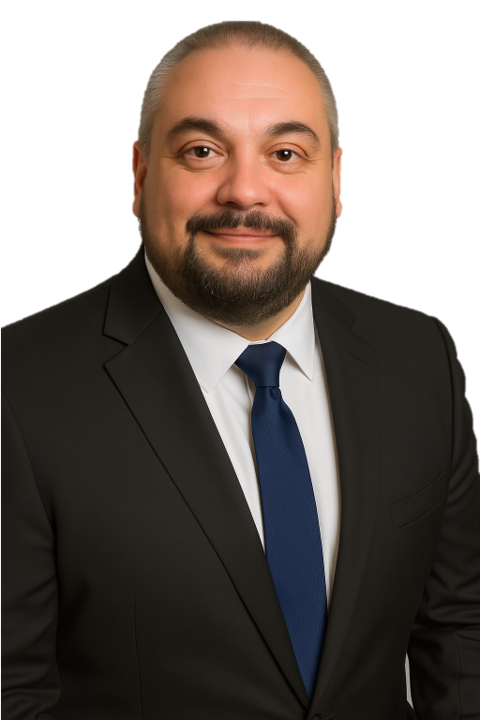
When my wife and I began searching for a home, we had one non‑negotiable at the top of our list: accessibility. What we quickly learned, though, was that unless we were willing to move into a 55‑and‑over community, most homes on the market simply weren’t designed with our needs in mind. Grab bars are helpful, and zero‑step entry is a great start, but accessibility isn’t one‑size‑fits‑all. What works beautifully for one person may not work at all for another—and that made our search incredibly challenging.
We were lucky to have a realtor who truly understood our needs and worked tirelessly to find homes that might fit. But even with her dedication, she could only show us what was available, and the inventory just wasn’t there.
After touring what felt like hundreds of homes, we realized we might be approaching the process the wrong way. We had walked through several houses that almost worked. Places that had potential if they just had this feature or that adjustment. But we were so focused on finding a home that was already accessible that we weren’t seeing the possibilities right in front of us. That’s when everything shifted. Instead of searching for the perfect accessible home, we started looking for a home with potential.
With my background in construction, years of experience working with people with disabilities, and my wife’s lived experience, we set out to find that diamond in the rough. And suddenly, the market opened up. There were plenty of homes that needed only minimal updates to become truly accessible. We found a house under budget—even after accounting for the modifications—and got to work. Wider doorways, a ramp in the garage, a walk‑in bathtub, and smart‑home technology transformed the space into a home where my wife could move independently and comfortably.
Before long, we outgrew that first home and started dreaming about more outdoor space. This time, armed with everything we’d learned, we found a property with land fairly quickly. But this house needed much more extensive work, and it came with a whole new set of challenges—finding the right lender, choosing a reputable contractor, navigating a construction loan, and converting it once the work was complete. Each step had its own learning curve, but we stuck with it and created a home we truly love.
And that journey is exactly why I decided to become a realtor. I want to share what we learned and help others facing similar situations. It can be difficult to look past what a home is and imagine what it could be. For buyers—especially here in Western Pennsylvania—accessible homes can be hard to find. That’s why working with a realtor who understands accessibility, renovation potential, and the reality of the market is so important.
If you’re navigating similar challenges or wondering how to make a home work for your needs, you don’t have to do it alone. I’m here to help you see the possibilities.
Michael Novitski
Realtor – Coldwell Banker / Katina Hunter Team
Michael.Novitski@CBRealty.com
724-888-9020


